
A fleet that services every truck at the same mileage can look organized while still missing the vehicles that work hardest. A route truck may rack up miles quickly with little idle time. A crane, utility, service or construction truck may travel only a few hundred miles while the engine runs for dozens of hours. The maintenance system needs to see both.
So How Often Should a Fleet Truck Be Serviced?
The most defensible answer is: at the earliest service trigger that applies to that vehicle and duty cycle. Start with the OEM maintenance schedule and then identify whether the truck falls under severe or special operating conditions.
For example, Ford’s diesel special-operating-condition schedule includes mileage, calendar time and engine-hour triggers for certain services, and separately identifies frequent or extended idling, low-speed stationary use, heavy traffic and towing as conditions that require additional maintenance attention. That does not mean every fleet should copy Ford’s intervals; it shows why a commercial PM program should not rely on mileage alone. See Ford’s diesel special-operating-condition maintenance guidance.
What kind of work does this truck do?
Select the closest duty cycle. This does not create a manufacturer service interval; it shows which maintenance trigger deserves more attention when you build the schedule.
Planning direction
Mileage will often be a primary trigger
Highway trucks accumulate road miles quickly, so mileage-based OEM service triggers remain highly visible. Still track time, hours and inspection findings.
Track
Watch
Plan
Planning direction
Mileage plus severe-duty conditions
Stop-and-go and low-speed operation can make a truck work harder per mile than a highway unit. Check the OEM severe-duty schedule and do not assume equal mileage means equal use.
Track
Watch
Plan
Planning direction
Engine hours may be the missing clock
Idle/PTO trucks can accumulate extensive operating time with low road mileage. Track engine and idle hours and apply any hour-based or stationary-use limits in the OEM schedule.
Track
Watch
Plan
Planning direction
Treat load as part of the duty cycle
Frequent towing and high payload can move a vehicle into special or severe operating conditions. Include transmission, driveline, cooling and brake inspection in the PM plan.
Track
Watch
Plan
Planning direction
Inspection frequency becomes especially important
Construction sites, dirt roads and dusty Nevada conditions can accelerate filter loading and component contamination. Inspect rather than waiting for a universal mileage number.
Track
Watch
Plan
Fleet Maintenance Runs on Three Clocks
Clock 01
Mileage
Useful for trucks that spend most of their operating time moving. Mileage remains an important trigger for oil, filters, driveline and other scheduled services.
Clock 02
Engine hours
Critical for service bodies, PTO trucks, utility vehicles and other units that can work for hours without adding meaningful road mileage.
Clock 03
Calendar time
Some fluids, filters, inspections and maintenance requirements are time-based even when the truck has not accumulated many miles or hours.
This is also one of the most common real fleet questions: whether PM should run on miles, hours or calendar time, especially when work trucks idle for long periods but travel very little.
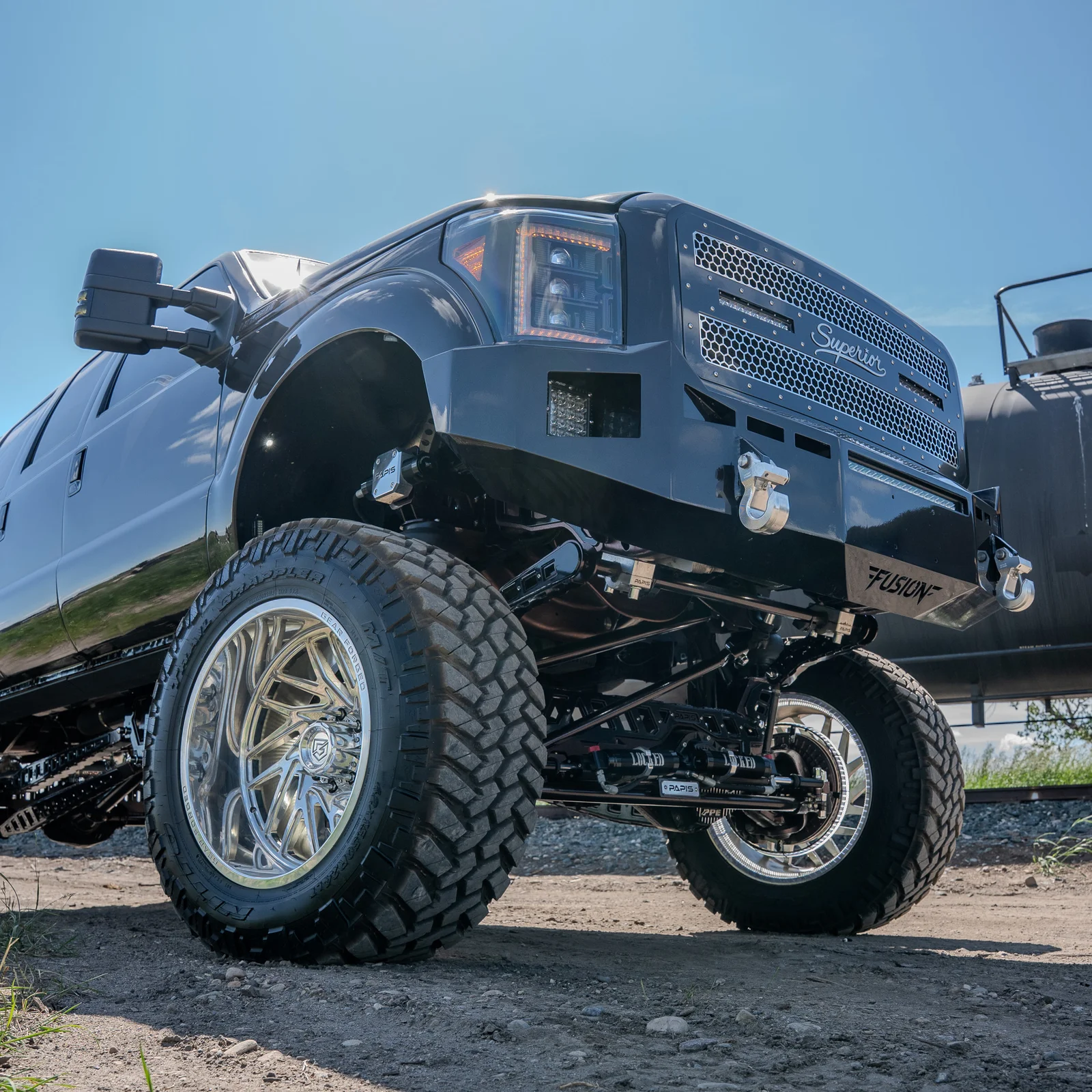
Nevada duty cycle
Heat, dust and idling can turn a low-mile truck into a high-use truck.
Odometer mileage tells only part of the story when the truck works on construction sites, idles for HVAC or PTO loads, tows equipment, or spends long periods in Las Vegas traffic.
Nevada duty cycle
Heat, dust and idling can turn a low-mile truck into a high-use truck.
Odometer mileage tells only part of the story when the truck works on construction sites, idles for HVAC or PTO loads, tows equipment, or spends long periods in Las Vegas traffic.
What Should Be Included in a Fleet PM Schedule?
A good PM visit is more than an oil change. The list should reflect the truck’s manufacturer requirements, configuration, mileage/hours, previous findings and work environment.
System
Typical PM focus
Why fleet managers track it
Engine oil & filters
Oil life, correct specification, leaks, service history and hours/mileage.
Provides a repeatable engine-service baseline and catches level or leakage concerns.
Fuel & air filtration
Fuel-filter status, water separation where equipped, and air-filter restriction/condition.
Dust, idling and diesel fuel-system sensitivity can make filtration especially important.
Cooling system
Coolant level/condition, hoses, radiator, fan operation and leakage.
High ambient temperature and towing increase cooling-system workload.
Brakes & tires
Wear, inflation, tread, damage, brake condition and wheel-end concerns.
Safety-critical components should be inspected systematically, not only when drivers complain.
Transmission & driveline
Fluid service history, leaks, U-joints, axles and transfer case where applicable.
Heavy loads, towing and stop-and-go work increase driveline duty.
Aftertreatment
DPF/DEF warnings, regeneration pattern, fault history and related sensors.
Idle-heavy and urban duty cycles can create different aftertreatment demands than highway service.
Steering & suspension
Wear, looseness, leaks, bushings and attaching components.
Safety-related steering, suspension, axle, wheel and rim components must remain in proper condition for covered CMVs.
Fleet planning principle
Schedule maintenance before the truck schedules it for you.
The purpose of PM is not to replace components unnecessarily. It is to create predictable inspection opportunities, service known maintenance items and catch developing defects before they become roadside downtime or missed jobs.
Mileage
Useful for trucks that spend most of their operating time moving. Mileage remains an important trigger for oil, filters, driveline and other scheduled services.
Engine hours
Critical for service bodies, PTO trucks, utility vehicles and other units that can work for hours without adding meaningful road mileage.
Calendar time
Some fluids, filters, inspections and maintenance requirements are time-based even when the truck has not accumulated many miles or hours.
- 01
FMCSA Requires a Systematic Program, Not One Universal Mileage Number
For motor carriers and commercial motor vehicles subject to 49 CFR Part 396, the federal rule requires vehicles to be systematically inspected, repaired and maintained so safety-related parts and accessories remain in proper operating condition. FMCSA’s interpretation explains that “systematic” generally means a regular or scheduled program and that the regulation does not specify inspection, maintenance or repair intervals because those intervals are fleet-specific and sometimes vehicle-specific.
Compliance distinction
Preventive-maintenance intervals and periodic inspections are related, but they are not the same thing.
Do not use the annual periodic inspection as a substitute for a fleet PM program. Applicable CMVs must also meet the periodic inspection requirement under 49 CFR 396.17.
Systematic PM
Carrier-determined schedule based on the fleet, vehicle and operating conditions.
Periodic inspection
Covered commercial motor vehicles must have passed the required inspection at least once during the preceding 12 months.
Defect repair
Safety-related defects must be addressed; a PM due date does not justify operating an unsafe vehicle.
Compliance distinction
Preventive-maintenance intervals and periodic inspections are related, but they are not the same thing.
Do not use the annual periodic inspection as a substitute for a fleet PM program. Applicable CMVs must also meet the periodic inspection requirement under 49 CFR 396.17.
Mileage
Carrier-determined schedule based on the fleet, vehicle and operating conditions.
Periodic inspection
Covered commercial motor vehicles must have passed the required inspection at least once during the preceding 12 months.
Defect repair
Safety-related defects must be addressed; a PM due date does not justify operating an unsafe vehicle.
For the regulatory text, see 49 CFR 396.3 and 49 CFR 396.17. These federal requirements apply based on the vehicle/carrier’s regulatory status; this article is general fleet-maintenance information, not legal advice.
- 02
Why Engine Hours Matter for Nevada Service Trucks
A truck can accumulate low road mileage while its engine spends most of the day powering air conditioning, hydraulic equipment, compressors, lifts, lights or other job-site loads. That is exactly why many OEM schedules include engine-hour triggers for certain commercial or severe-duty applications.
Ford’s diesel maintenance schedule, for example, lists engine-hour and calendar-time alternatives for fuel-filter service under frequent/extended idling and frequent low-speed stationary operation. The exact values belong only to the covered Ford applications; the broader fleet lesson is to record engine hours and use the OEM trigger that applies to each unit.
- 03
Use Nevada Heat and Dust as Duty-Cycle Inputs, Not Arbitrary Interval Shortcuts
Do not create a blanket rule such as “all Las Vegas fleet trucks need service every 5,000 miles.” Instead, document whether each vehicle experiences sustained heat, heavy traffic, construction dust, off-road use, towing, long idle periods or high payload. Then apply the severe/special-duty maintenance guidance for that vehicle.
Ford’s current Super Duty guidance classifies factors such as temperatures greatly above average, dusty conditions, excessive idling, short trips, heavy loads and towing as severe driving conditions. That reinforces the duty-cycle approach without pretending every make and model shares the same interval.
A Fleet Schedule Is Only as Good as Its Records
For covered motor carriers, 49 CFR 396.3 requires vehicle-specific maintenance records that include identification, a way to show the nature and due date of maintenance operations, and records of inspection, repair and maintenance.
01
Identify the unit
Unit number, year, make, VIN/serial information and ownership/lease information where required.
02
Set due triggers
Track mileage, engine hours, calendar date and any component-specific interval.
03
Record the work
Document the date and nature of inspections, repairs and maintenance performed.
04
Adjust the plan
Use recurring findings and duty-cycle changes to refine future PM timing.
Fleet PM Setup Checklist
Use this as an internal planning checklist when onboarding a new truck into your maintenance system.
Fleet PM Setup Checklist
Use this as an internal planning checklist when onboarding a new truck into your maintenance system.

From the shop floor
Add one real Superior Diesel fleet example before publishing.
Use an actual fleet account or commercial truck to demonstrate how the maintenance schedule was adapted to the vehicle’s mileage, hours, towing, job-site use or recurring findings.

From the shop floor
Add one real Superior Diesel fleet example before publishing.
Use an actual fleet account or commercial truck to demonstrate how the maintenance schedule was adapted to the vehicle’s mileage, hours, towing, job-site use or recurring findings.
Build a repeatable fleet service program
Keep fleet maintenance as the main route, with individual service links only where they help the manager plan maintenance.
Primary route
Fleet Maintenance
Scheduled maintenance and repair support for commercial vehicles in Las Vegas.
Routine service
Oil Change
Vehicle-specific oil and filter service for diesel work trucks.
Find defects
Diagnostics
Inspection and diagnosis when warning lights or recurring issues appear between PM visits.
Engine care
Preventive Maintenance
Routine engine and system maintenance for work trucks and fleet vehicles.
Real Fleet Questions
Fleet Maintenance Schedule FAQs
These questions reflect recurring fleet-manager, diesel-tech and owner discussions about mileage, engine hours, idle-heavy trucks, PM timing and compliance. Regulatory answers are based on FMCSA rules and guidance rather than forum opinion.
Should a fleet service schedule be based on mileage or engine hours?
Often both, plus calendar time. The correct trigger depends on the vehicle and duty cycle. Idle-heavy service trucks can accumulate significant engine hours without adding much road mileage, so mileage alone can understate use. Use the earliest applicable OEM trigger for the unit.
How should I maintain a fleet truck that idles all day but drives very few miles?
Track engine and idle hours and follow the severe-duty or stationary-operation guidance for the exact vehicle. Some OEM schedules include engine-hour and calendar-time limits specifically because high-idle work trucks can accumulate operating time without accumulating equivalent mileage.
Does FMCSA require commercial trucks to be serviced at a specific mileage?
FMCSA requires motor carriers subject to Part 396 to systematically inspect, repair and maintain vehicles, but its published guidance states that it does not specify one inspection, maintenance or repair interval because intervals are fleet-specific and sometimes vehicle-specific.
How often does a commercial motor vehicle need a periodic inspection?
For commercial motor vehicles subject to 49 CFR 396.17, the periodic inspection must have been passed at least once during the preceding 12 months. That inspection requirement does not replace the carrier’s ongoing preventive-maintenance program.
What maintenance records should a fleet keep?
For motor carriers subject to 49 CFR 396.3, required records include vehicle identification, a means to show the nature and due date of inspection and maintenance operations, and records of inspection, repair and maintenance with their date and nature. Record-retention requirements also apply.
Need a Maintenance Schedule for Your Fleet?
Superior Diesel can help plan recurring service around the vehicles, duty cycle and operating conditions your Las Vegas fleet actually sees.